
Conservation
Cloth as temple
How Mata ni Pachedi turned exclusion into a shrine.
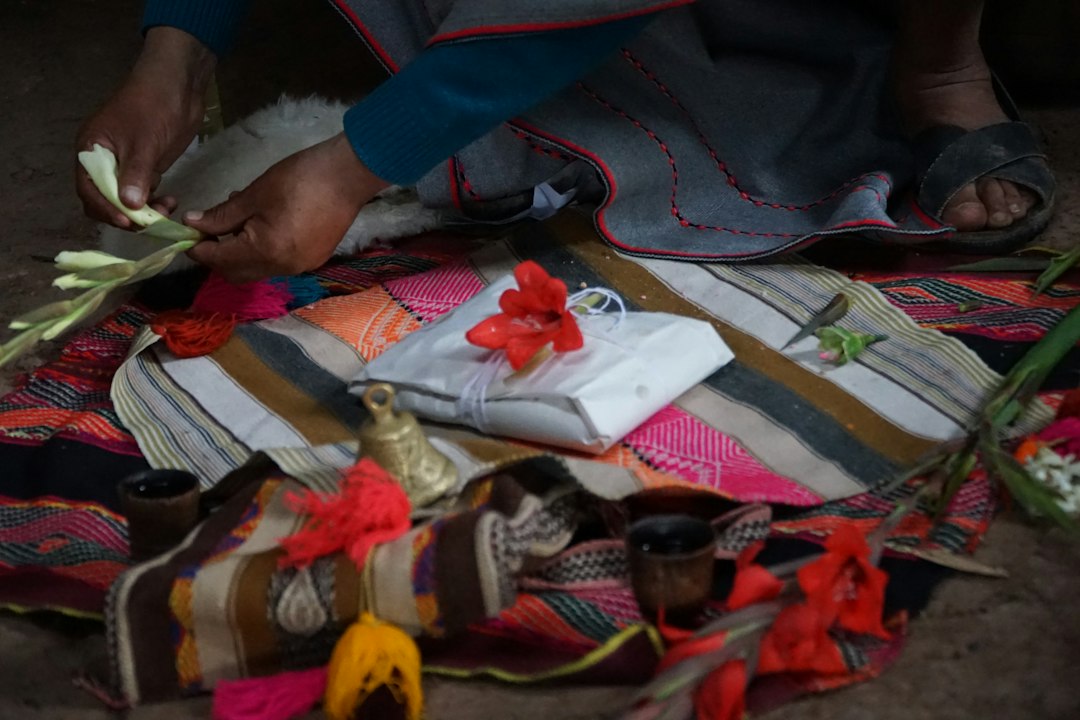
Photo: Alberto Lung / Unsplash
A collection of Indian textiles often begins with splendour: kalamkari, patola, the courtly loom. Mata ni Pachedi asks a quieter question. What is a temple if it can be folded?
The Devipujak painters of Ahmedabad made a goddess who could travel. When caste barred the community from stone precincts, cotton became the wall behind her. Conservation of such a work is not only a matter of light levels and humidity. It is a matter of whether the cloth is still allowed to mean worship.
For a collector, stewardship might include the workshop as well as the object: natural dyes, river washing, the Chitara hand that still knows the border called lassa patti. A pachedi taken only as an interior is a shrine emptied of its hour.
Durlav’s interest is not to freeze the form. It is to keep the conditions in which a family can still paint the Mata, and a household can still stand before her, whether that household is in Gujarat or in a collection that understands what it holds.